Unlocking the Power of Pumpkins: A Comprehensive Guide for Gardeners and Nutrition Enthusiasts
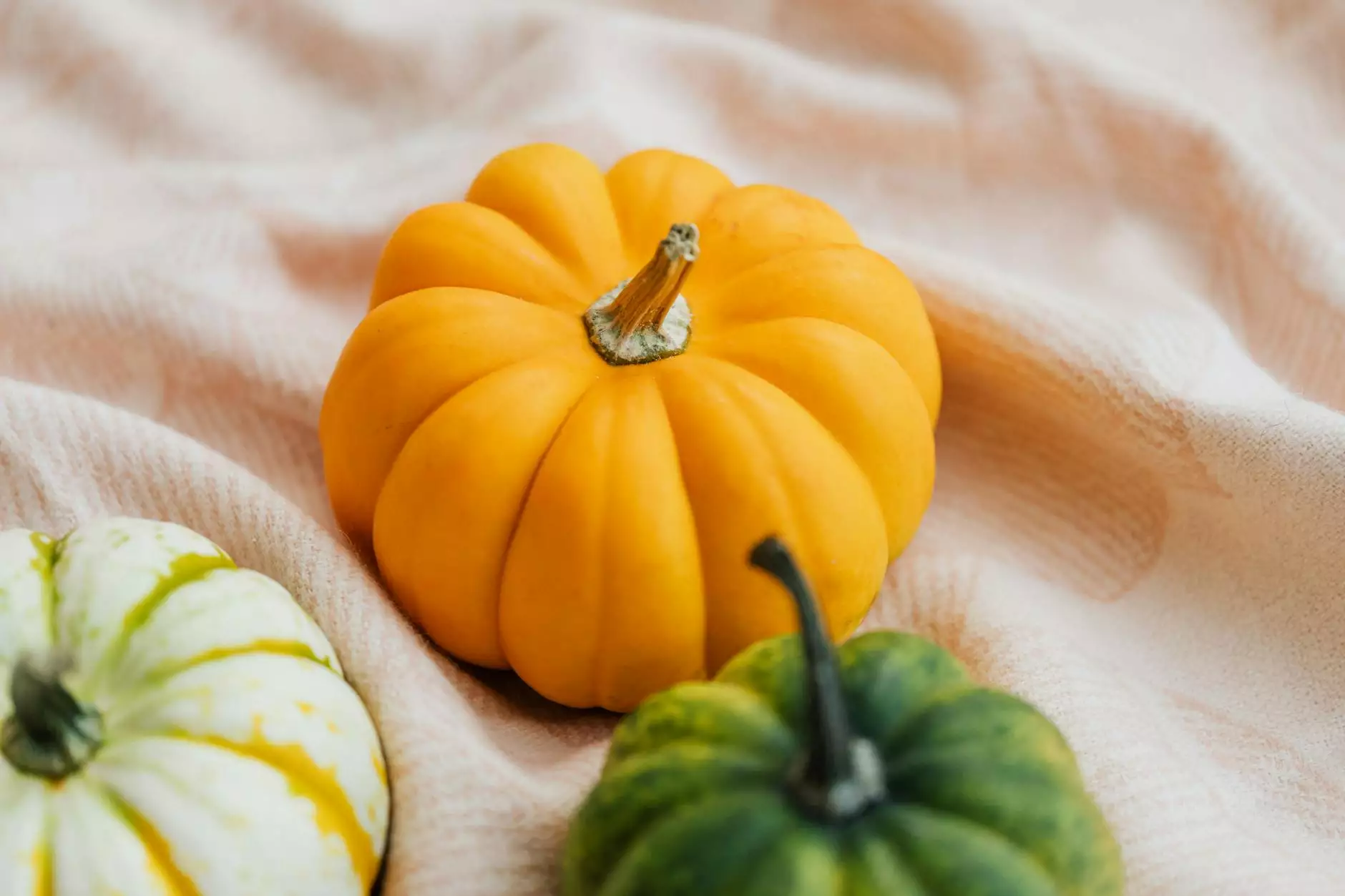
In the world of gardening and health, few natural wonders are as versatile and nutritious as the humble pumpkin. Whether you are a seasoned gardener looking to cultivate a vibrant patch or a health-conscious individual seeking to enrich your diet, pumpkins offer an array of benefits that can enhance your lifestyle. From their ease of cultivation to their impressive nutritional profile, pumpkins are truly a crop worth mastering and celebrating.
Rich History and Cultural Significance of Pumpkins
Pumpkins have a storied history that dates back thousands of years. Originating in North America, they played a vital role in the diets and traditions of indigenous peoples long before European settlers arrived. Today, pumpkins symbolize harvest festivals, Halloween traditions, and autumnal festivities. Understanding their cultural significance enhances appreciation and encourages sustainable cultivation practices among gardeners.
Why Pumpkins Are an Essential Fruit for Gardeners and Health Enthusiasts
With their vibrant orange hue, rich flavor, and nutritional density, pumpkins are a gardener's delight and a health food powerhouse. Here are some reasons why they are an indispensable addition to your garden and diet:
- Ease of Growth: Pumpkins are resilient and adaptable, thriving in a variety of climates with proper care.
- Nutritional Value: Packed with vitamins, minerals, and antioxidants, pumpkins support overall health.
- Versatility: From savory soups to sweet pies, pumpkins lend themselves to numerous culinary delights.
- Environmental Benefits: Pumpkins can help improve soil quality and promote sustainable gardening practices.
- Economic Impact: Growing and selling pumpkins can boost your local economy and provide a revenue stream.
How to Grow Pumpkins Successfully: Expert Tips for Gardeners
Growing pumpkins may appear straightforward, but achieving maximum yield and quality requires understanding their specific needs. Here are key steps and tips for cultivating healthy, productive pumpkin plants:
Choosing the Right Pumpkin Varieties
There are numerous pumpkin varieties suitable for different purposes, from large carving pumpkins to small pie pumpkins. Decide whether your priority is aesthetics, culinary use, or seed saving, and select a variety accordingly. Popular options include:
- Big Max: Ideal for large decorative pumpkins
- Sugar Pie: Perfect for culinary uses
- Baby Boo: Cute, decorative mini pumpkins
- Long Island Cheese: Traditional pie pumpkin with excellent flavor
Optimal Site Selection and Soil Preparation
Pumpkins require full sun exposure, ideally at least 6-8 hours of direct sunlight daily. Well-drained, nutrient-rich soil is essential for healthy growth. Before planting, enrich your soil with organic compost or well-rotted manure. Aim for a slightly acidic to neutral pH (6.0-7.0) to maximize nutrient uptake.
Planting and Spacing Techniques
Plant pumpkin seeds directly into the soil after the danger of frost has passed. Space seeds about 3-4 feet apart in rows that are 6-8 feet apart to accommodate their sprawling vines. For better yield, place mounds or hills of soil about 12 inches in diameter to improve drainage and root development.
Watering and Maintenance
Pumpkins demand consistent watering, especially during flowering and fruit development. Water deeply at the base of the plant to encourage deep root growth, avoiding overhead watering to prevent disease. Mulching between plants helps retain moisture, suppress weeds, and regulate soil temperature.
Pest and Disease Management
Common pests include squash bugs, vine borers, and aphids. Use integrated pest management strategies like crop rotation, natural predators, and organic insecticides when necessary. Regular monitoring and early intervention are vital to prevent infestations. Diseases such as powdery mildew and downy mildew can be managed through proper spacing, watering practices, and resistant varieties.
Harvesting and Post-Harvest Care: Ensuring Delicious and Nutritious Pumpkins
When pumpkins reach full maturity, typically indicated by a deep orange color and a hard rind, it's time to harvest. Use sharp tools to cut the stem, leaving about 2-3 inches attached to the fruit. Cure harvested pumpkins in a warm, sunny location for about a week to improve storage life. Proper curing enhances flavor and reduces rot risks.
Understanding the Nutrition of Pumpkins
One of the primary reasons pumpkins are celebrated worldwide is their impressive nutritional profile. They are low in calories but dense in essential nutrients, making them a perfect ingredient for health-conscious diets.
This brings us to a common query among nutrition enthusiasts and gardeners alike:
How Many Calories in Pumpkin?
How many calories in pumpkin depends on the type and preparation method; however, raw pumpkin is notably low in calories, making it an excellent choice for weight management and nutritional intake. On average, one cup of cooked, pureed pumpkin contains approximately 30-50 calories.
In raw form, pumpkin has about 30 calories per 100 grams. This calorie count primarily derives from carbohydrates, with minimal fat and protein content, but it is rich in dietary fiber, vitamins, and antioxidants.
In culinary applications, pumpkin's calorie content can vary based on added ingredients like sugar, butter, or cream, especially in pies and desserts. Nonetheless, its natural, unprocessed state remains a low-calorie superfood.
Pulverizing the Health Benefits: What Makes Pumpkins a Superfood?
Pumpkins are exceptionally nutritious because they contain a rich array of phytochemicals and essential nutrients:
- Vitamins: High in Vitamin A (from beta-carotene), Vitamin C, Vitamin E, and B-complex vitamins.
- Minerals: Rich in potassium, magnesium, manganese, and iron.
- Antioxidants: Beta-carotene, lutein, and zeaxanthin support eye health and immune function.
- Dietary Fiber: Promotes digestive health and helps regulate blood sugar levels.
Creative Culinary Uses of Pumpkins for a Healthy Diet
Incorporating pumpkins into your diet can be both delightful and nutritious. Here are some popular ways to enjoy pumpkins:
- Pumpkin Soup: Creamy, flavorful, and easy to prepare, perfect for cold days.
- Pumpkin Puree: Ideal for baking pies, muffins, or adding to smoothies.
- Roasted Pumpkin: A simple side dish seasoned with herbs and spices.
- Pumpkin Seeds: Roasted for a crunchy snack high in healthy fats and protein.
- Pumpkin Stew: Incorporate pumpkin chunks into hearty stews for added flavor and nutrition.
Economic and Environmental Impact of Growing Pumpkins
Beyond personal health, pumpkins contribute significantly to the economy of local growers and communities. They are an economical crop with relatively low input costs, large yields, and diverse market opportunities—from farmers' markets to wholesale distributors.
Environmentally, pumpkins are beneficial because they:
- Improve Soil Health: Their extensive root systems help prevent soil erosion and enhance soil structure.
- Reduce Pesticide Use: Many pumpkin varieties are resistant to pests, reducing the need for chemical interventions.
- Encourage Biodiversity: Pumpkin patches attract pollinators such as bees and butterflies.
Final Thoughts: Embrace the Pumpkin Revolution in Your Garden and Kitchen
From their humble beginnings as a cultural symbol to their status as a nutritional superfood, pumpkins embody versatility, health benefits, and ecological significance. For gardeners, mastering pumpkin cultivation offers the opportunity to grow a marketable crop that enriches the soil and emphasizes sustainability. For health enthusiasts, pumpkins offer a delicious, low-calorie, nutrient-rich addition to various meals.
Now, when considering how many calories in pumpkin, rest assured that this vibrant fruit remains a wholesome, low-calorie choice that can play a crucial role in balanced diets. Whether you're planting a few pumpkin vines or preparing festive pumpkin dishes, embracing pumpkins can truly transform your gardening skills and nutritional regimen.